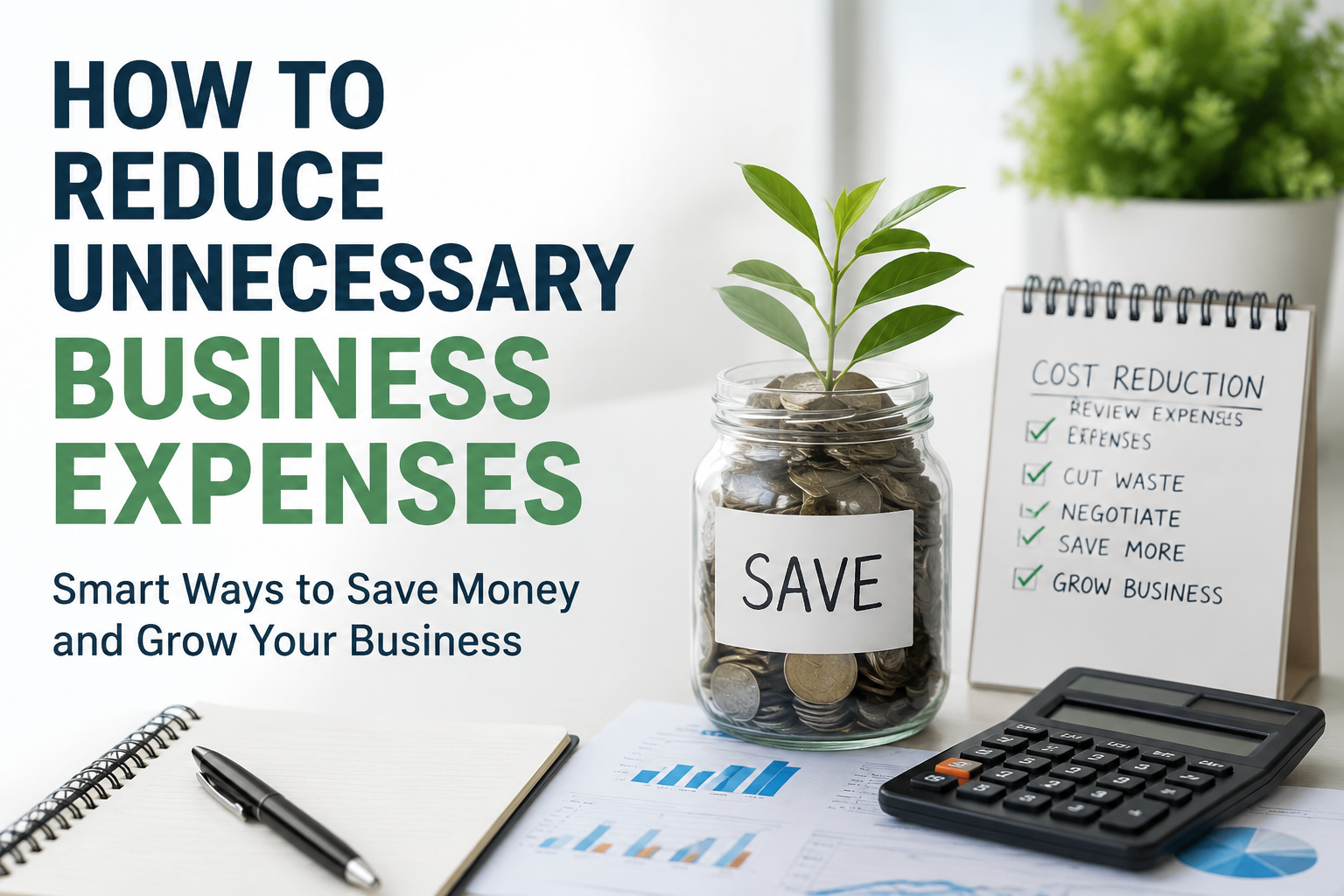
Running a business is not only about making more money. In my opinion, it is equally important to understand where the money is going. Many business owners focus so much on increasing sales that they forget to look at unnecessary expenses. Even small expenses can become a serious problem when they continue every month.
I believe reducing unnecessary business expenses does not mean making your business uncomfortable or removing everything that employees need. It means spending money carefully and making better decisions. When I regularly review my expenses, I can easily find areas where money is being wasted and use that money for things that actually help the business grow.
In this article, I will share some simple and practical ways I believe any small business owner can use to reduce unnecessary expenses without damaging the quality of the business.
Understand Where Your Money Is Going
The first thing I would recommend is understanding your current expenses. Before cutting anything, I think it is important to know exactly where the money is being spent.
I would start by reviewing bank statements, invoices, subscriptions, rent, utility bills, employee costs, marketing expenses, software payments and other regular costs. Sometimes we continue paying for things simply because we have become used to them.
For example, a business may be paying for several software tools every month, even though some of them are rarely used. Once you identify these expenses, you can decide whether they are actually necessary.
I believe having a clear picture of your expenses makes the entire cost reduction process much easier.
Separate Necessary and Unnecessary Expenses
Not every expense should be reduced. Some expenses are essential for keeping the business running.
For example, employee salaries, important software, basic office supplies, legal services and essential marketing may be necessary. On the other hand, expensive subscriptions that nobody uses or unnecessary office purchases may not provide enough value.
I like to divide expenses into three simple categories. The first category contains essential expenses. The second contains expenses that are useful but can possibly be reduced. The third contains expenses that provide little or no value.
This simple method can help you decide where to focus first.
Review Monthly Subscriptions
Monthly subscriptions are one area where I think businesses can save a surprising amount of money.
Many companies use software for communication, accounting, design, project management, storage and marketing. These tools can be useful, but sometimes businesses pay for more services than they actually need.
I recommend checking every subscription at least once every few months. Ask yourself whether the tool is being used regularly and whether it is providing enough value.
If a service is not important, cancel it. If you only need a few features, consider moving to a cheaper plan.
Saving even ten or twenty dollars from several subscriptions can create meaningful savings over a year.
Negotiate With Suppliers
Another method I find useful is negotiating with suppliers. Many business owners accept the first price they receive without asking whether better terms are available.
If you have been buying from the same supplier for a long time, you may have an opportunity to negotiate better pricing. You can ask about discounts for larger orders, long term relationships or regular payments.
You can also compare prices from different suppliers. This does not mean you should always choose the cheapest option. Quality and reliability are important too.
However, knowing what other suppliers are charging gives you a better position when negotiating.
Reduce Unnecessary Office Costs
Office expenses can become expensive without you noticing. Furniture, printing, electricity, snacks, stationery and other small purchases can add up over time.
I believe businesses should regularly review how their office is being used. If some equipment is rarely used, there may be no reason to keep paying for it.
Printing is another area where businesses can save money. Moving documents to digital storage can reduce printing and paper costs while also making documents easier to manage.
If your business does not require a large office, you could also consider a smaller space. Rent is often one of the biggest business expenses, so even a modest reduction can make a significant difference.
Be Careful With Marketing Expenses
Marketing is important, but spending more does not always mean getting better results.
I think every business should measure the results of its marketing activities. If you are spending money on an advertising campaign, you should know whether it is bringing customers or sales.
For example, if one marketing channel consistently produces good results while another produces almost nothing, it may make sense to reduce spending on the weaker channel.
This does not mean stopping marketing completely. Instead, it means focusing your budget on strategies that actually work.
I would rather spend a smaller amount on a campaign that produces results than spend a large amount simply because it looks impressive.
Avoid Impulse Purchases
Business owners can sometimes make unnecessary purchases because something looks useful at the moment.
Before buying expensive equipment, software or office items, I recommend asking whether the purchase solves a real problem.
I personally think waiting a day or two before making a nonessential purchase can prevent many unnecessary expenses. If the item is still important after some time, then it can be considered more carefully.
This simple habit can help businesses avoid spending money on things that are rarely used.
Improve Inventory Management
For businesses that sell physical products, inventory can be a major source of unnecessary expenses.
Buying too much inventory can lock up your money. Some products may sit in storage for months and eventually become outdated or difficult to sell.
I believe businesses should monitor which products sell quickly and which products remain in storage.
Using sales data can help you make better purchasing decisions. Instead of buying large quantities simply because a supplier offers a discount, consider whether you actually need that amount.
A discount is not really a saving if the products never sell.
Reduce Energy Costs
Energy expenses may seem small compared with other costs, but they can become significant over a full year.
Simple habits such as turning off lights, computers and equipment when they are not being used can help reduce electricity bills.
Businesses can also consider energy efficient lighting and equipment when replacements are needed.
I believe small changes in daily habits can make a noticeable difference without affecting productivity.
Review Business Travel
Business travel can also become expensive. Flights, hotels, meals and transportation can quickly increase costs.
Whenever possible, I think businesses should consider online meetings instead of traveling for every meeting.
When travel is necessary, comparing transportation and accommodation options in advance can help reduce costs.
The goal is not to eliminate business travel completely. Some meetings are much more effective in person. The goal is simply to make sure the travel expense has a clear business purpose.
Use Technology Wisely
Technology can help businesses save money, but only when it is used properly.
For example, digital invoicing, online communication, cloud storage and automated processes can reduce the amount of time employees spend on repetitive tasks.
However, I believe businesses should avoid buying technology simply because it is popular.
Before investing in a new tool, consider whether it will save time, reduce costs or improve results. If it does none of these things, the expense may not be worthwhile.
Train Employees About Cost Awareness
Employees can also play an important role in reducing unnecessary expenses.
I think business owners should explain that saving money is not only the responsibility of management. Everyone in the company can contribute.
Simple habits such as avoiding unnecessary printing, switching off unused equipment and using company resources responsibly can make a difference.
At the same time, employees should not feel that the company is cutting costs at their expense. The goal should be responsible spending, not creating a difficult working environment.
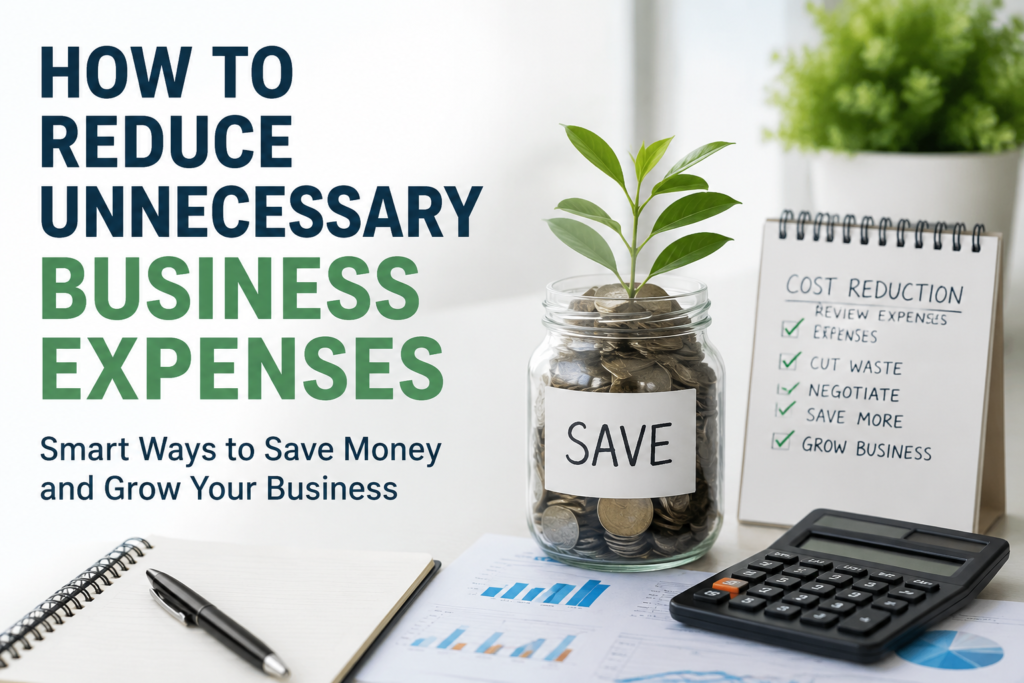
Review Expenses Regularly
One of the biggest mistakes I see businesses make is reviewing expenses only when money becomes tight.
I believe expense management should be a regular activity. I would recommend reviewing business expenses every month or at least every few months.
During the review, look for increases in bills, unused subscriptions, unnecessary purchases and areas where spending has changed.
Regular reviews make it easier to catch problems before they become expensive.
Do Not Cut Costs That Affect Quality
Reducing expenses is important, but I believe there is a wrong way to do it.
Cutting costs that directly affect customers can damage a business. For example, using very cheap materials that reduce product quality may save money temporarily but could cause customers to leave.
The same applies to employees. Cutting essential training, support or tools may reduce expenses today but create bigger problems later.
For me, the goal is not simply to spend less. The goal is to get better value from every amount spent.
Create a Simple Expense Budget
A clear budget can help you control spending before it becomes a problem.
I recommend creating monthly spending limits for different areas of the business. These can include marketing, office expenses, software, travel and supplies.
When you have a budget, it becomes easier to notice when spending goes beyond expectations.
A budget also helps you make decisions based on priorities rather than emotions.
Final Thoughts
In my opinion, reducing unnecessary business expenses is one of the simplest ways to improve the financial health of a business. You do not always need to increase sales dramatically to improve your profits. Sometimes, you simply need to stop wasting money.
I would start by reviewing every expense and identifying what is essential, what can be reduced and what can be removed. Then I would look at subscriptions, suppliers, office costs, marketing, inventory, energy and other regular expenses.
The most important thing is to make thoughtful decisions instead of cutting costs blindly. A healthy business should spend money on things that create value, support customers and help the company grow.
When I look at expenses from this point of view, saving money becomes much easier. It is not about making the business smaller. It is about making the business smarter and using available money where it can make the biggest difference.