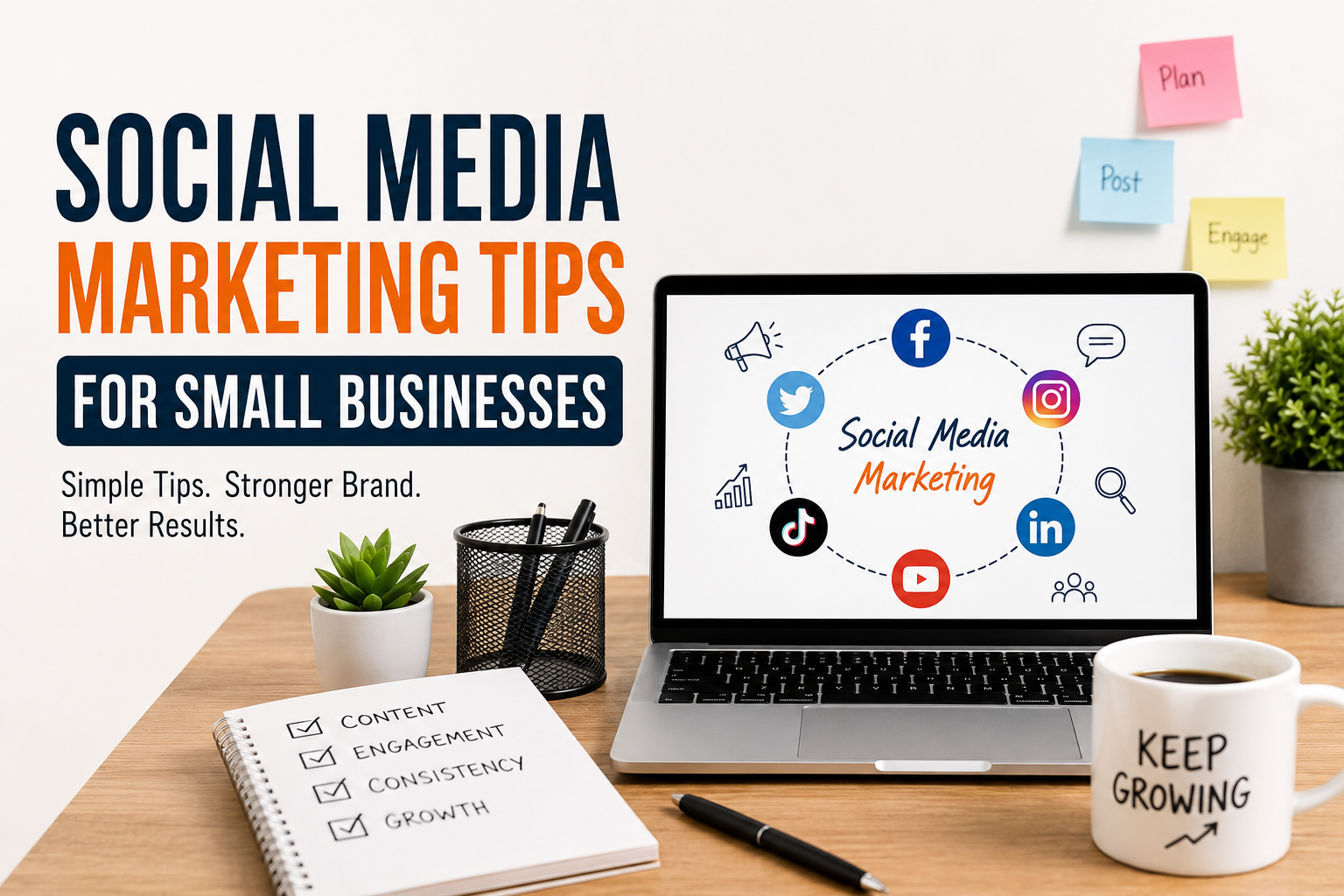
When I think about growing a small business today, I believe social media is one of the most useful tools available. A small business does not always have a large marketing budget, and that can make traditional advertising difficult. Social media gives business owners a chance to reach people, build relationships, and promote their products or services without spending a huge amount of money.
From my point of view, the biggest advantage of social media marketing is that it allows a small business to communicate directly with customers. Instead of only showing an advertisement, you can talk to people, answer their questions, share useful information, and show them what makes your business different.
However, simply creating social media accounts is not enough. You need a simple plan and consistent effort. In this article, I want to share some social media marketing tips that I believe can help small businesses get better results.
Choose the Right Social Media Platforms
One of the first things I would recommend is choosing the right social media platforms. Many business owners make the mistake of creating accounts everywhere. They open pages on Facebook, Instagram, TikTok, LinkedIn, Pinterest, and other platforms, but then they do not have enough time to manage them properly.
I think it is better to focus on two or three platforms where your potential customers are actually spending their time.
For example, if you sell clothes, food, handmade products, or beauty products, visual platforms such as Instagram and TikTok may be useful. If you provide professional services, LinkedIn may be more suitable. Facebook can also be helpful for local businesses because it allows businesses to connect with local communities.
The important thing is not to be everywhere. The important thing is to be active where your customers are.
Understand Your Target Audience
Before creating content, I believe you should understand who you are trying to reach. You should know what your customers need, what problems they have, and what type of information they find useful.
For example, if I were promoting a small computer repair business, I would create content about common computer problems, simple maintenance tips, software issues, and online safety. This type of content can attract people who may eventually need professional help.
Try to think from your customer’s point of view. Ask yourself what questions they usually ask and what problems they want to solve.
When your content answers real questions, people are more likely to pay attention to your business.
Create Useful Content
In my opinion, useful content is much more valuable than constantly posting advertisements. People do not open social media only to see businesses asking them to buy something.
A small business can create different types of content. You can share tips, educational information, product demonstrations, customer experiences, behind the scenes content, simple tutorials, and answers to common questions.
For example, a small bakery can share baking tips, pictures of new products, information about ingredients, customer reviews, and short videos showing how products are prepared.
This kind of content makes the business feel more real and interesting.
Keep Your Content Simple
You do not need expensive equipment or professional studios to create good social media content. I believe small businesses should focus more on being genuine than trying to look perfect.
A smartphone can be enough to take pictures or record short videos. Good lighting, clear audio, and a clean background can make a big difference.
I would also avoid making every post complicated. A simple picture with useful information can sometimes perform better than an overly designed advertisement.
The goal is to communicate clearly with your audience.
Post Consistently
Consistency is one of the most important parts of social media marketing. You do not need to post ten times every day. In fact, that may not even be practical for a small business.
Instead, create a schedule that you can actually follow.
For example, you might post three times a week and share short stories or updates between those posts. The exact schedule is less important than staying active.
If people regularly see useful content from your business, they are more likely to remember your brand when they need the product or service you offer.
Show the Human Side of Your Business
One thing I really like about social media is that it gives small businesses an opportunity to show the people behind the business.
Customers often want to know who they are buying from. You can introduce yourself, show your workspace, share your daily routine, or introduce members of your team.
For example, if you run a small clothing business, you could show how you select products, prepare orders, or communicate with customers.
This type of content can build trust because people can see that there are real people working behind the business.
Use Short Videos
Short videos have become an important part of social media marketing. I think small businesses should experiment with video even if they have never created videos before.
You can create simple videos showing your products, explaining a service, answering a question, sharing a quick tip, or showing something interesting about your business.
The video does not need to be perfect. What matters most is that it provides value or gives people a reason to watch.
Over time, you can learn which types of videos your audience likes most.
Engage With Your Followers
Social media should not be treated like a one way advertising channel. I believe communication is one of its biggest strengths.
When someone comments on your post, try to reply. If someone sends a question, answer it politely. If a customer shares your product, thank them.
Even a simple reply can make customers feel valued.
Engagement also helps you understand your audience better. Sometimes customers will tell you exactly what they want if you pay attention to their comments and questions.
Use Customer Reviews and Experiences
Customer reviews can be very helpful for a small business. People often want to know what other customers think before they make a purchase.
If you receive positive feedback, ask the customer if you can share it on your social media page. You can turn a genuine review into a simple post.
You can also share customer photos when you have permission to do so.
I think this type of content feels more trustworthy because it shows real experiences instead of only showing promotional messages from the business itself.
Use Local Marketing
For small businesses that serve a specific area, local social media marketing can be extremely useful.
You can mention your city or local area in your posts when it is relevant. You can also participate in local community groups and share useful information without constantly promoting your business.
For example, a local restaurant can share updates about new dishes, special events, opening hours, and customer experiences.
Building recognition within your local community can help people remember your business when they need something you provide.
Do Not Ignore Hashtags
Hashtags can help organize content and potentially make it easier for interested people to discover your posts. However, I would not recommend adding a huge number of random hashtags.
Instead, use hashtags that are relevant to your business, product, location, or topic.
For example, a small coffee shop could use hashtags related to coffee, cafes, its city, and local food. The goal should be relevance rather than quantity.
Learn From Your Results
Another important tip is to pay attention to your social media results. Most major platforms provide basic information about how posts perform.
Look at which posts receive more views, comments, shares, and saves. Also notice which topics get very little attention.
If educational posts perform well, create more educational content. If customers respond strongly to videos, experiment with more videos.
You do not need to understand complicated analytics at the beginning. Just pay attention to what your audience responds to and improve your strategy gradually.
Avoid Constant Selling
One mistake I often see businesses make is turning every social media post into a sales message.
If every post says buy now, order today, or contact us, people may eventually stop paying attention.
I believe a better approach is to create a healthy balance. Some posts can promote products, while others can educate, entertain, answer questions, or show the personality of the business.
When people trust your business, selling becomes easier because they already understand what you offer.
Be Patient
Social media marketing usually does not produce amazing results overnight. A small business may need weeks or months of consistent work before seeing meaningful growth.
I think patience is very important here. Instead of focusing only on follower numbers, focus on building relationships and reaching the right people.
Having one hundred followers who genuinely care about your business can be more valuable than having thousands of followers who never interact with your content.
Final Thoughts
From my point of view, social media marketing gives small businesses a great opportunity to compete with larger companies. You do not always need a huge advertising budget to get started. What you need is useful content, consistency, patience, and a genuine interest in your customers.
Start with the platforms where your audience spends time. Understand their needs and create content that helps them. Show the human side of your business, respond to comments, share customer experiences, and learn from your results.
Most importantly, do not feel pressured to make everything perfect. Start with what you have, improve as you learn, and keep communicating with your audience.
For me, the biggest lesson of social media marketing is simple. People do not only connect with products and services. They connect with people, stories, helpful information, and businesses they can trust. If a small business can build that connection consistently, social media can become a powerful part of its growth.