Running a small business can be exciting, but it can also become stressful when there are too many things to handle at the same time. From dealing with customers to managing money, checking stock, answering messages, promoting products, and completing daily tasks, a business owner often has to manage many responsibilities.
In my opinion, managing a small business efficiently does not always mean working longer hours. It means learning how to use your time, money, energy, and resources in a smarter way. When everything is organized, even a small business can operate smoothly and grow steadily.
I have learned that business management becomes easier when you focus on simple systems instead of trying to control everything manually. In this article, I will share some practical ways to manage a small business more efficiently.
Understand Your Business Clearly
The first thing I believe every small business owner should do is understand the business properly. You should know what you are selling, who your customers are, what your expenses are, and where your income is coming from.
Sometimes business owners become busy with daily activities and forget to look at the bigger picture. They may be selling products every day without checking whether those products are actually profitable.
I recommend taking some time every week to review your business. Look at your sales, expenses, customer feedback, and important tasks. This simple habit can help you understand what is working and what needs improvement.
When you clearly understand your business, it becomes much easier to make better decisions.
Plan Your Day Before Starting Work
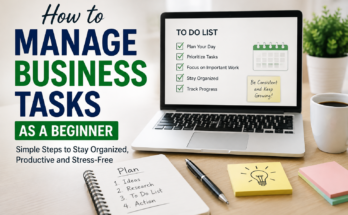
One of the easiest ways to become more efficient is to plan your day. I personally believe that starting work without a plan can waste a lot of time.
Before beginning your workday, make a list of the most important things you need to complete. Do not create a huge list that makes you feel overwhelmed. Instead, choose three to five important tasks.
For example, you may need to contact customers, check orders, update your accounts, and prepare content for social media. Complete the most important task first.
A simple daily plan helps you stay focused and reduces the chances of forgetting something important.
Keep Your Business Records Organized
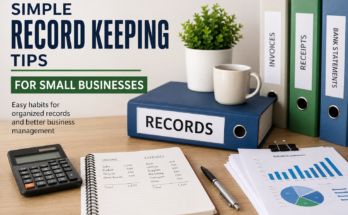
Good record keeping is extremely important for a small business. You should keep track of your sales, expenses, invoices, customer payments, and other financial information.
I have found that organized records make business decisions much easier. When you know how much money is coming in and going out, you can understand the real condition of your business.
You do not necessarily need complicated software when starting. A simple spreadsheet or basic accounting tool can be enough for a small business.
The important thing is consistency. Update your records regularly instead of waiting until the end of the month and trying to remember everything.
Separate Personal and Business Money
One mistake that many small business owners make is mixing personal and business money. In my opinion, keeping them separate makes financial management much easier.
Try to have a separate bank account or payment method for your business. Use business money for business expenses and personal money for personal spending.
This makes it easier to understand your actual profit. It also makes financial records cleaner and can reduce confusion when preparing taxes or reviewing your accounts.
Even if your business is very small, developing this habit early can help you manage it more professionally.
Focus on Your Most Important Customers
Customers are the foundation of almost every small business. However, managing customers efficiently does not mean spending the same amount of time on everyone.
I believe it is important to understand which customers are most valuable to your business. Loyal customers who regularly purchase from you can be extremely important.
Try to provide them with good service and respond to their questions quickly. Remember their preferences when possible and make them feel appreciated.
At the same time, listen to complaints instead of ignoring them. A customer complaint can sometimes show you something that needs to be improved in your business.
Use Technology to Save Time
Technology can make small business management much easier. There are many simple tools available for communication, accounting, scheduling, marketing, customer management, and file storage.
I do not think a small business needs to use every available tool. Too many applications can actually create more confusion.
Instead, choose tools that solve specific problems. For example, use a calendar to organize appointments, cloud storage to keep important documents, and accounting software to track financial information.
The goal should be to save time, not to make your business more complicated.
Create Simple Business Systems
One of the best things I have learned about efficiency is the importance of systems. If you perform the same task repeatedly, create a simple process for it.
For example, if you receive online orders every day, create a standard process for checking the order, confirming payment, preparing the product, packaging it, and updating the customer.
A written process can help you complete repetitive tasks faster. It also becomes useful if you hire someone later because you can explain the process more easily.
Good systems reduce mistakes and make the business less dependent on one person.
Avoid Doing Everything Yourself
When starting a small business, it is normal to do almost everything yourself. However, as the business grows, this approach can become exhausting.
I believe business owners should learn to delegate tasks when possible. You do not need to hire a large team immediately. You can start by outsourcing small tasks that take too much of your time.
For example, you might outsource graphic design, bookkeeping, website maintenance, or certain administrative tasks.
Delegating does not mean losing control. It means giving yourself more time to focus on important business decisions.
Manage Your Inventory Carefully
If your business sells physical products, inventory management is very important. Having too much stock can tie up your money, while having too little stock can cause customers to leave without buying.
Keep track of which products sell quickly and which products stay in storage for a long time.
I recommend reviewing your inventory regularly. This can help you avoid unnecessary purchases and reduce waste.
You can also use sales information to predict which products you may need more of in the future.
Improve Communication
Poor communication can create unnecessary problems in a small business. Customers may become unhappy, employees may misunderstand instructions, and important tasks may be delayed.
Try to keep communication clear and simple. When giving instructions, explain exactly what needs to be done and when it should be completed.
With customers, respond politely and professionally. Even if you cannot solve a problem immediately, letting the customer know that you are working on it can make a big difference.
Good communication builds trust and saves time.
Monitor Your Business Expenses
Increasing sales is important, but controlling unnecessary expenses is equally important. Sometimes small expenses seem harmless because each one is inexpensive. However, they can become significant when added together.
I recommend reviewing your business expenses regularly. Ask yourself whether each expense is actually helping the business.
You may discover subscriptions you no longer use, unnecessary services, or products that can be purchased at a better price.
Saving money does not mean cutting every expense. It means spending money where it provides real value.
Make Marketing Consistent
Marketing does not always require a huge budget. For a small business, consistency can be more important than spending a lot of money.
Choose a few marketing channels where your customers are actually active. This could include social media, email, a website, local advertising, or referrals.
Create a simple schedule and follow it consistently. Share useful information, show your products or services, answer questions, and communicate with your audience.
In my opinion, building trust should be the main goal of small business marketing. People are more likely to buy from a business they recognize and trust.

Review Your Progress Every Week
Weekly reviews can help you stay in control of your business. At the end of each week, spend some time checking what happened.
Look at your sales, expenses, completed tasks, customer feedback, and upcoming responsibilities.
Ask yourself a few simple questions. What went well this week? What caused problems? What took too much time? What should I change next week?
These questions can help you continuously improve your business instead of repeating the same mistakes.
Take Care of Yourself
Business efficiency is not only about systems and technology. It is also about the person running the business.
If you are constantly tired, stressed, and working without breaks, your decision making can suffer. You may start making mistakes or losing motivation.
I believe taking breaks, getting enough rest, and spending time away from work are important parts of successful business management.
A healthy business owner can think more clearly and handle challenges better.
Keep Improving Instead of Trying to Be Perfect
Finally, I believe small business owners should focus on improvement rather than perfection. Your first system may not be perfect. Your marketing strategy may not work immediately. Some decisions may turn out to be wrong.
That is normal.
The important thing is to learn from experience and make small improvements. You do not need to completely change your business every week. Sometimes one small improvement can save hours of work over time.
Conclusion
Managing a small business more efficiently is not about doing more work every day. It is about doing the right work in a better way. Planning your day, organizing your records, managing money carefully, using technology, improving communication, creating simple systems, and reviewing your progress can make a big difference.
From my point of view, the best approach is to keep things simple. You do not need expensive tools or complicated strategies to become more organized. Start with small changes and build better habits over time.
When your business has clear systems and you understand where your time and money are going, you can work with greater confidence. Most importantly, you can spend more time focusing on growth, customers, and the future of your business instead of constantly dealing with avoidable problems.